Test day checklist you can save
What to bring, how to arrive, and what to expect during the Life in the UK test — a complete checklist for exam day.
By Amina Osei · Content Editor & Citizenship Guide Writer
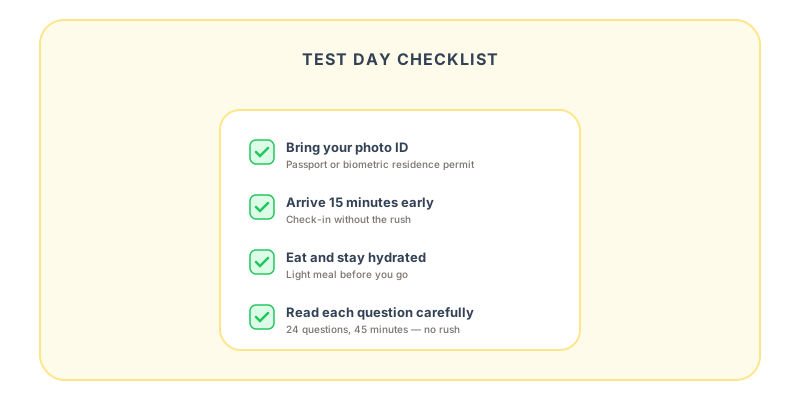
Test day can feel stressful, but most of it is straightforward once you know what to expect. This checklist covers everything from the night before to what happens after you finish.
The night before
- Lay out the original ID document you used when booking. This is usually your passport or biometric residence permit (BRP). Photocopies and digital versions are not accepted.
- Check your booking confirmation email for the test centre address, date, and time slot. Save a screenshot in case you lose signal on the way.
- Get a reasonable night of sleep. The test is short, so you need focus more than stamina.
Before you leave
- Bring your original ID — this is the single most important thing. If your ID does not match your booking, you will not be allowed to take the test and you will lose your £50 fee. Check the accepted ID list on GOV.UK.
- Leave early enough to arrive at least 15 minutes before your slot. Late arrivals are turned away.
- Eat a light meal and drink some water. The test is only 45 minutes, but arriving hungry or dehydrated can make it harder to concentrate.
- You do not need to bring pens, paper, or any study materials. Everything is provided at the centre.
What you cannot bring into the test room
- Mobile phones and smart watches must be switched off and stored before you enter.
- Bags, books, notes, and electronic devices are not allowed in the test room.
- The test centre will provide a locker or secure area for your belongings.
"The most common issue I saw at the test centre was people bringing the wrong ID. Always double-check that you are bringing the original document you used when booking — not a photocopy, not a different passport."
— Amina Osei, Content Editor & Citizenship Guide Writer, who passed the test in 2019
At the test centre
- You will check in at reception with your ID. Staff will verify your identity and direct you to the test room.
- The test is taken on a computer with a simple point-and-click interface. You do not need any computer skills beyond clicking a button.
- You have 45 minutes to answer 24 multiple-choice questions. Most people finish in 15 to 25 minutes.
- You need at least 18 correct answers (75%) to pass.
- You can skip questions and come back to them. If you are unsure about an answer, move on and return to it at the end.
- Stay calm and read each question carefully. Some questions are designed to test whether you read the full text, so watch for words like "not", "except", or "all of the following".
After the test
- You will be told your result immediately after you finish. The screen will show whether you passed or failed.
- If you pass, you will receive a unique reference number. Write it down or take a photo — you will need it for your visa or citizenship application.
- An official pass notification letter arrives by post within seven days. You can also check your result online through your GOV.UK test account.
- If you do not pass, you can rebook after seven days. There is no limit to how many times you can retake the test, but each attempt costs £50. Read our guide on what happens if you fail the Life in the UK test for next steps.
Quick reference
| Detail | Info |
|---|---|
| Test length | 45 minutes |
| Number of questions | 24 |
| Pass mark | 75% (18 correct) |
| Test fee | £50 (non-refundable) |
| ID required | Original passport or BRP |
| Results | Immediate, on screen |
| Rebook wait (if failed) | 7 days |
If you are unsure about any official rules, always confirm on GOV.UK. Trust the official test instructions over anything else.
Ready to do one last round of revision? Take a mock test or review your weak spots before the big day.
Disclaimer: This content is for general information only and does not constitute immigration advice. For advice about your individual circumstances, consult a qualified immigration adviser registered with the OISC or a regulated solicitor. Information may change — always check GOV.UK for the latest official guidance. See our editorial policy and corrections policy.