10 revision tips from people who passed the Life in the UK test
Practical revision tips and strategies from people who passed the Life in the UK test first time.
By James Holloway · ESOL Educator & Test Prep Specialist
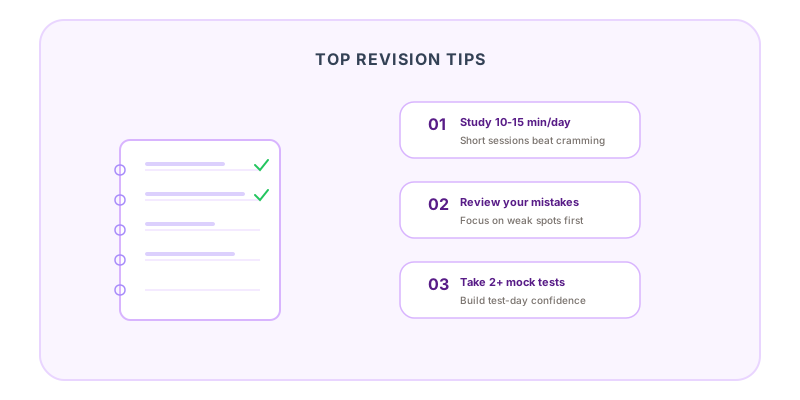
We asked people who passed the Life in the UK test on their first attempt what worked for them. Here are the 10 tips that came up again and again.
"The students I see pass first time all have one thing in common: they studied a little every day rather than trying to learn everything in a weekend."
— James Holloway, ESOL Educator & Test Prep Specialist
1. Start earlier than you think you need to
Almost everyone said they wished they had started sooner. Two to four weeks of daily study is the sweet spot. Starting early means you can take it slowly and still have time to rebook if something comes up.
2. Study for 10 to 15 minutes a day, not hours at a time
Short, focused sessions beat long ones. Your brain retains more when you study in small chunks and sleep on it. A quick daily lesson followed by a few review questions is more effective than a 3-hour weekend session.
3. Read the official handbook at least once
Even if you are using an app or course, read through the official Life in the United Kingdom handbook at least once. Some questions use very specific wording from the book, and familiarity with the language helps.
4. Focus on what you get wrong
After taking practice questions, do not just move on. Go back and study the topics where you made mistakes. Smart review automates this by resurfacing the facts you struggle with at the right intervals.
5. Learn the key dates, but do not memorise every one
There are dozens of dates in the handbook, but the test tends to focus on the same important ones. Prioritise dates like 1066, 1215, 1707, 1833, 1918, 1928, 1945, and 1948. If you know these, you can often reason through related questions.
6. Do not ignore the boring sections
Government structure, the legal system, and civic duties may not be exciting, but they come up on the test. People who skipped these sections were caught out by questions on Parliament, devolved powers, or the role of the judiciary.
7. Take at least 2 full mock tests
Taking timed mock tests was the single most recommended tip. It builds familiarity with the format, helps with time management, and shows you exactly where you stand before the real test.
8. Study the differences, not just the facts
Many wrong answers come from confusing similar things. The House of Commons vs the House of Lords. Devolved vs reserved powers. The Prime Minister vs the monarch. Pay attention to distinctions and practice telling them apart.
9. Use your commute or downtime
Several people studied on their phone during commutes, lunch breaks, or while waiting for appointments. Quick quiz sessions during downtime add up over a few weeks without feeling like a chore.
10. Do not stress on test day
The test is 45 minutes for 24 questions, so time pressure is rarely an issue. Read each question carefully, eliminate obviously wrong answers, and move on. If you have prepared, the questions will feel familiar.
Put these tips into practice
You do not need complicated strategies. Consistency, focus on weak spots, and realistic practice are what make the difference.
- Start daily lessons covering every handbook chapter
- Review your weak spots with spaced repetition
- Take a timed mock test to check your readiness
For a week-by-week schedule, see our 4-week study plan. Also check the 7 common mistakes to make sure you are not falling into a common trap.
Start your free study plan today with PassLifeInUK.
Disclaimer: This content is for general information only and does not constitute immigration advice. For advice about your individual circumstances, consult a qualified immigration adviser registered with the OISC or a regulated solicitor. Information may change — always check GOV.UK for the latest official guidance. See our editorial policy and corrections policy.